Published
- 3 min read
The origin of NFTs
The origin of NFTs
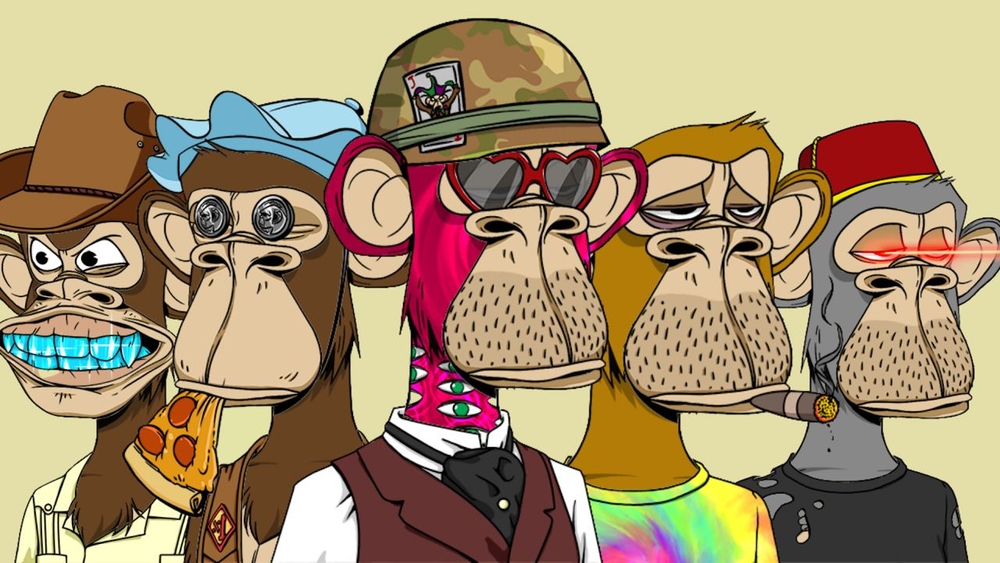
The first NFT project, which boosted the new concept of crypto-art, was released in 2017 through the Ethereum network, an open-source platform used to execute smart contracts. Cryptopunks, a limited collection of 10,000 original characters (no two are alike) created by two young Canadians Matt Hall and John Watkinson (LarvaLabs), achieved unprecedented success.
With the idea that each character can only have one owner (accredited through blockchain technology), a buying and selling market was quickly created in which the punks (24 x 24 pixels in size) changed hands to the highest bidder.
In May 2021, pioneers Larva Labs sold nine cryptopunk heads for $16.9 million. A year later, the cheapest punk for sale was priced at just over $96,000. An exact date can also be pinned down when NFTs entered a new dimension. It was March 11, 2021, when the JPG file ‘Everydays - The First 5,000 Days’ (‘Everydays: The First 5,000 Days”), created by the artist Beeple (Mike Winkelmann) was sold for $69.3 million by Christie’s auction house in New York.
From then on, news about crypto-art pieces multiplied throughout the world. Without leaving March of that year, a columnist for The New York Times sold an article for $560,000; an internet user bought a digital chrome of Cristiano Ronaldo for 240,000 euros; Jack Dorsey, co-founder of Twitter, sold his first tweet for $2.9 million, and someone acquired a digital portrait made by the robot Shopia for 650,000 euros at auction.
The sports world has also seen in NFTs a new business to exploit. The NBA has raffled off great plays from the history of North American basketball in virtual sticker packs priced between $9 and $299, creating a new business model. And LaLiga reached an agreement with Sorare, a company owned by soccer players such as Gerard Piqué, Antoine Griezmann, and Rio Ferdinand, to distribute NFTs of the players and thus open up a new revenue stream for the clubs. Brands such as Marvel are also developing their own certified files.
The film industry has also ‘jumped on the NFT bandwagon’. Some of the most highly rated files on offer include: an exclusive representation of the car from the movie Back to the Future, produced by Universal Studios; a Ghostbusters logo from Columbia Pictures; and another representation of the Star Trek starship from CBS Studios. Veve’s last major release was a series of items from the James Bond franchise to coincide with the release of the movie “No Time to Die.”
Keep reading about possible uses of NTFs.